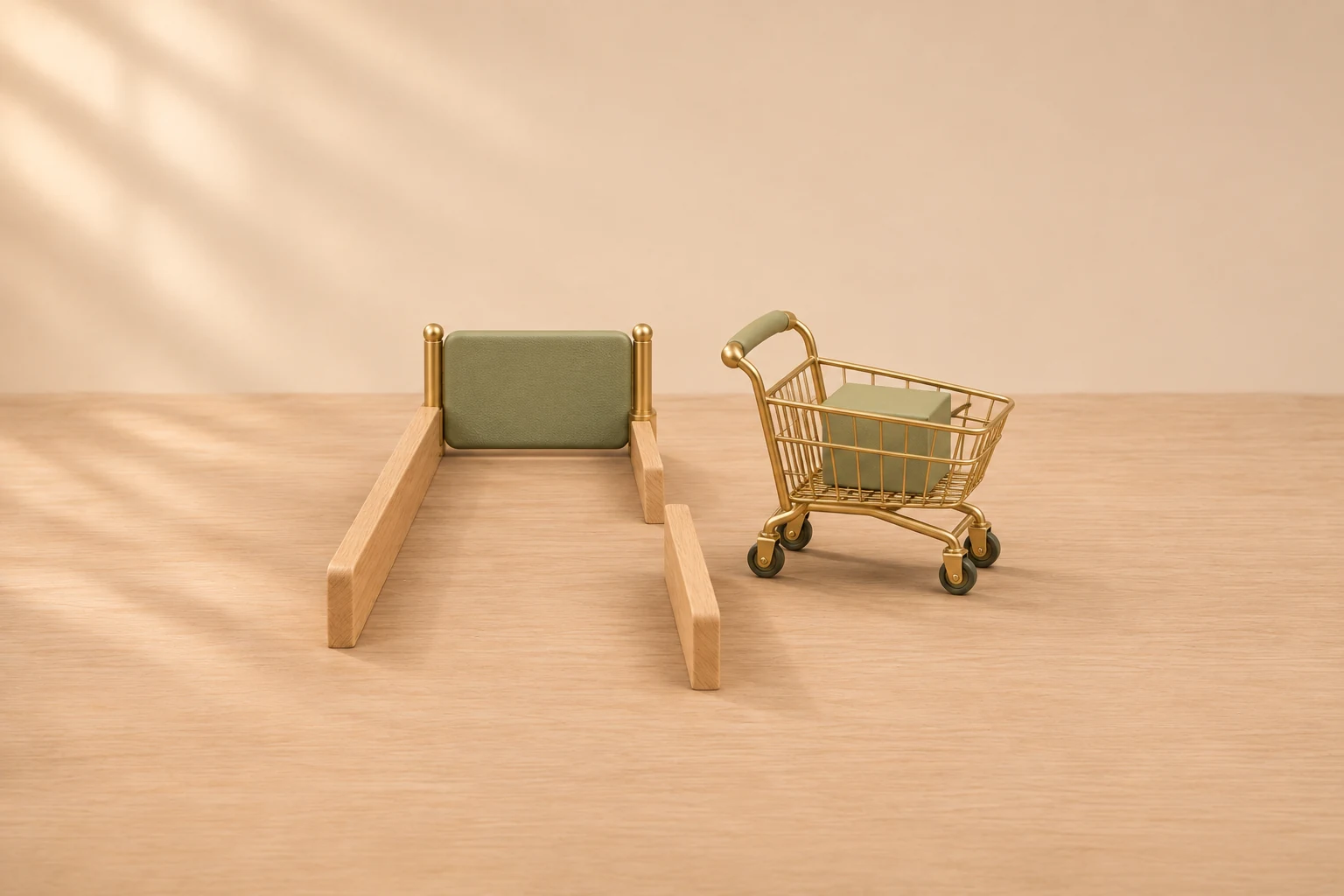
Most of us have discontinued a service before. Waiting in an unmoving line can certainly make us impatient, until eventually we give up and discontinue. Most of us will abandon the line and do not finish the task we wanted to execute. We all experience annoyance and discouragement.Precisely the same thing can occur with websites. If users believe your website was helpful and speedy, they will stay and complete their particular task. Or else, they’ll abandon your website without having completing their task. Consequently, the abandonment rates are most likely the most solid and most trustworthy judgement you will get out of your users about how pleased they may be with your service.There are lots of statistics and case studies showcasing that abandonment behavior of users is a result of poor performance. E-commerce websites tend to be struck the hardest. High competition pushes web owners to focus on performance and delivery. In the event your shopping cart does not load quick enough, your users could possibly move to a competitor’s site.Here are a few statistics that demonstrate the importance of speed.
Amazon measured that a page load decline of a single second might cost them $1.6 billion in product sales annually
Nearly 40% of internet shoppers leave a website which takes greater than 3 seconds
to execute (Gomez8)
79% of internet shoppers won’t come back to a website after a discouraging experience
because of poor performance (KissMetrics9)
A 1-second hold up in web page load time equates to 11% lower page views, a 16% decline
in customer happiness, and 7% reduction in conversion rates (Aberdeen Group)
Although each user may have various tolerances for delay, we can expect a range of impression for any typical user in accordance with the data referenced above.The study describes the necessity to steer clear of any type of lag time whenever possible.Ilya Grigorik, a web performance promoter at Google, calls it the 1000ms “time to glass” problem. To be able to completely suit your user’s expectations, you’ve got around 1000ms for your content to take a trip from your hosting server to the visitor’s glass (display). If you wish to obtain a quick experience for your visitors, you need to realize what factors could possibly harm this kind of goal.
You can read the intro to the whole series here.
References: